2024 Works
In 2024, I completed my Bachelor of Fine Arts (Visual Arts) at the Queensland University of Technology with a Distinction and was awarded the “Eckersley’s Prize” for most innovative use of media.
This year saw massive growth in both my personal style and my concepts. In my graduating exhibition, I showcased 5 mixed media sculptures, based on children’s toys, to critique male violence and toxic masculinity.
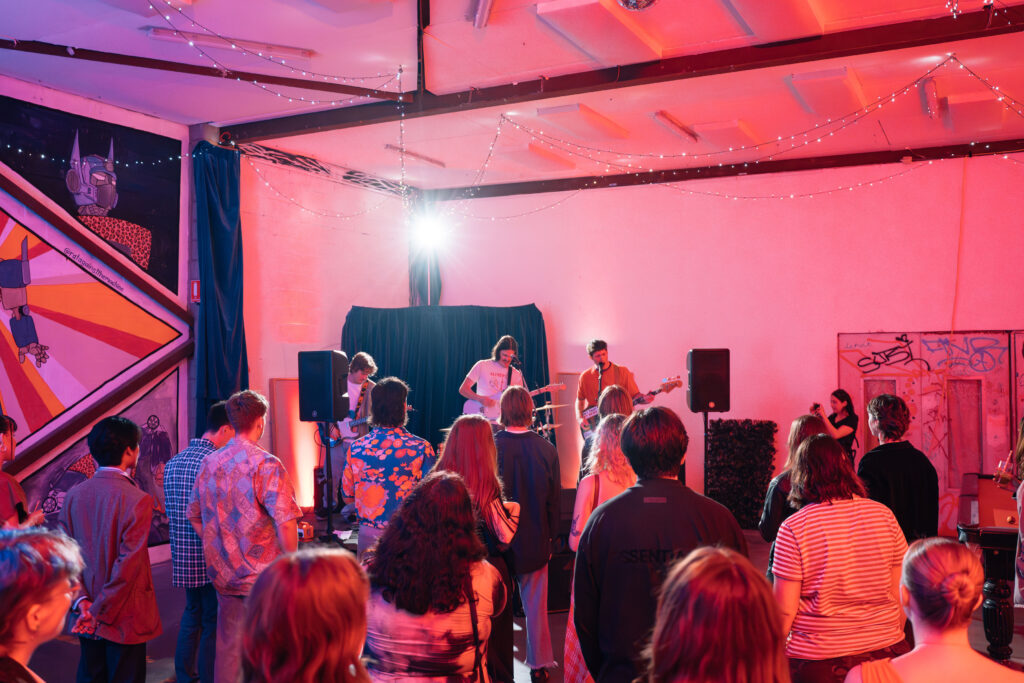
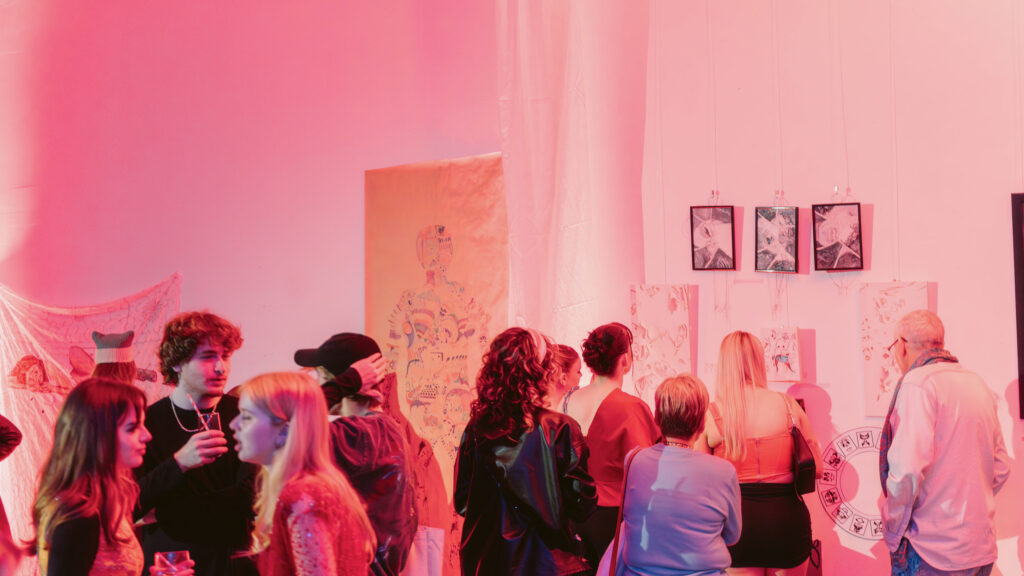
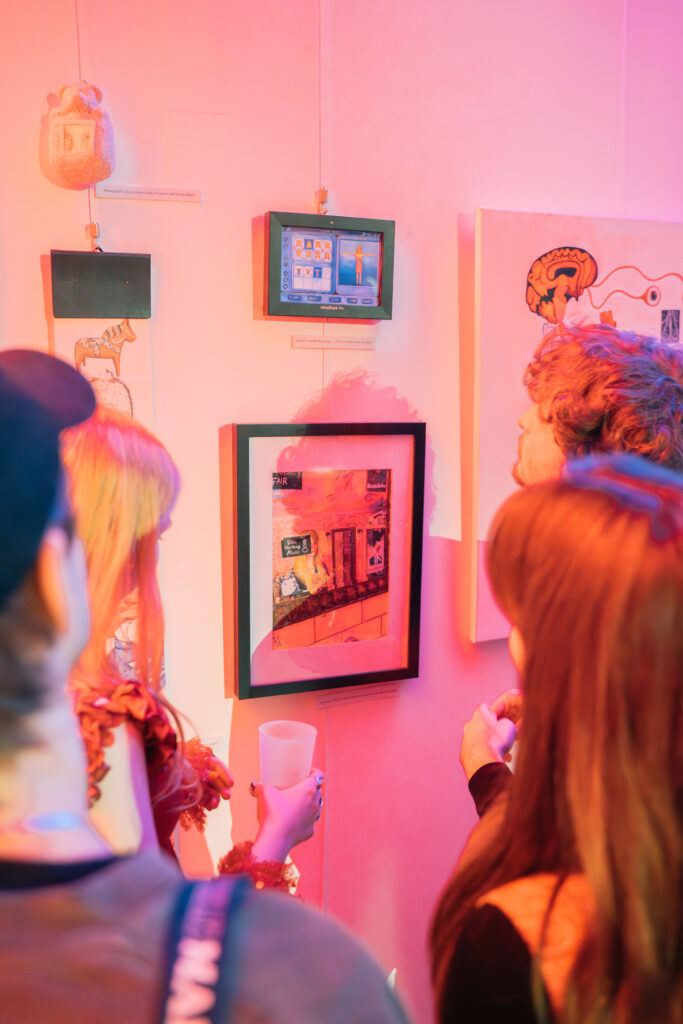
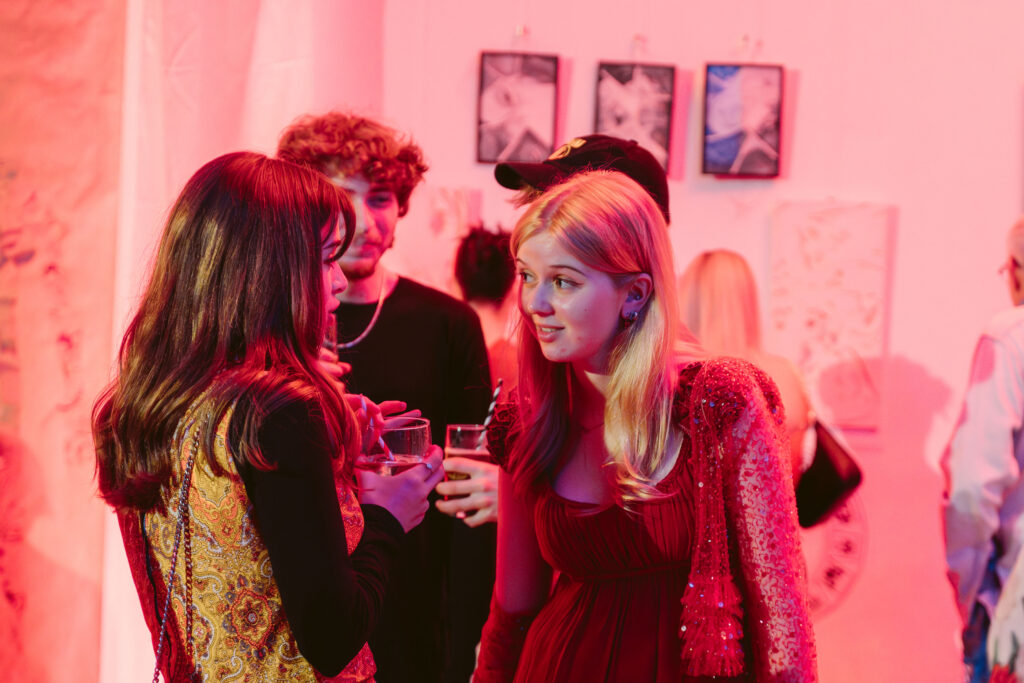
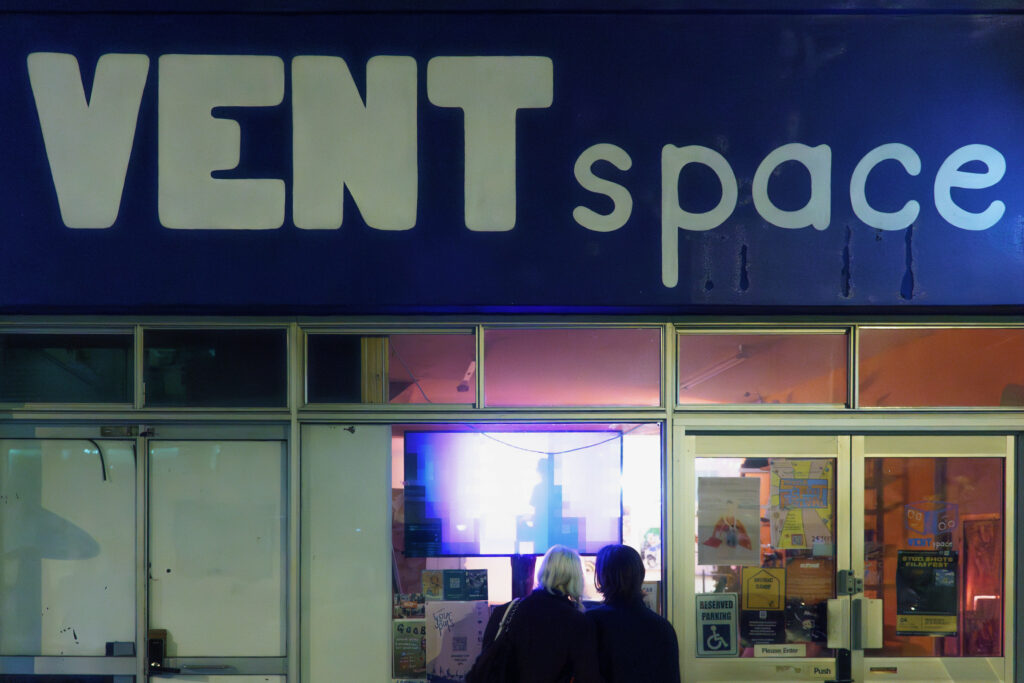
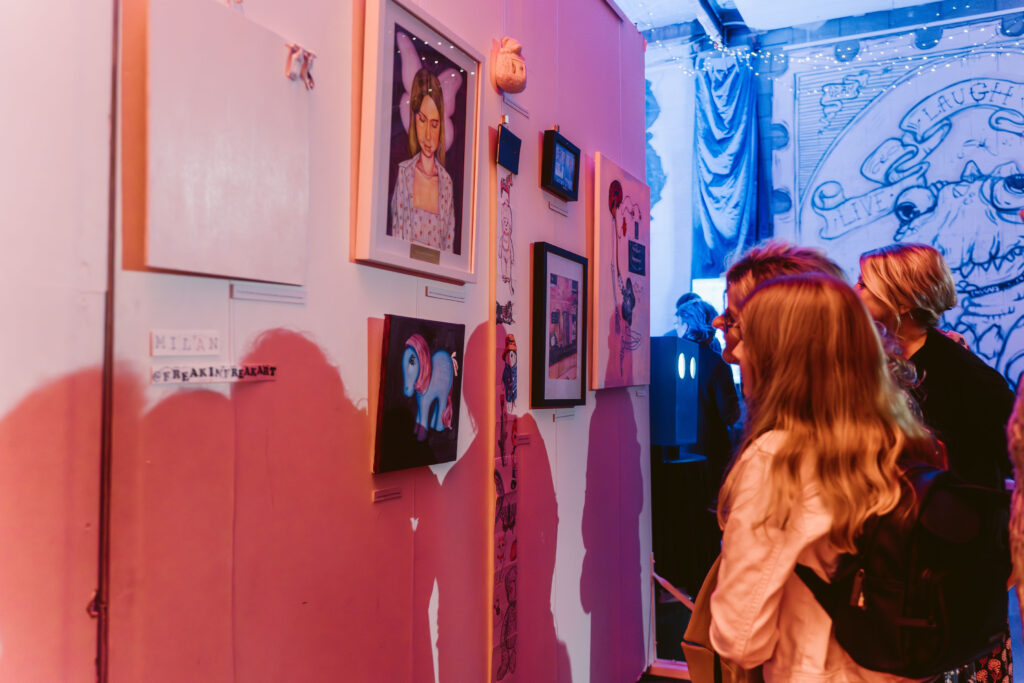
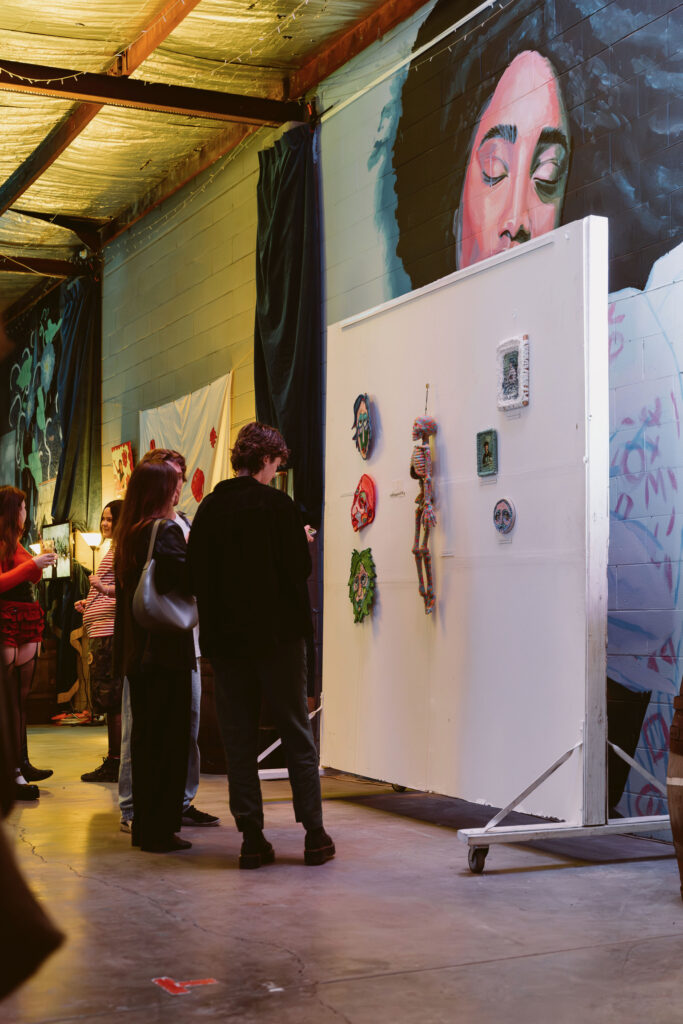
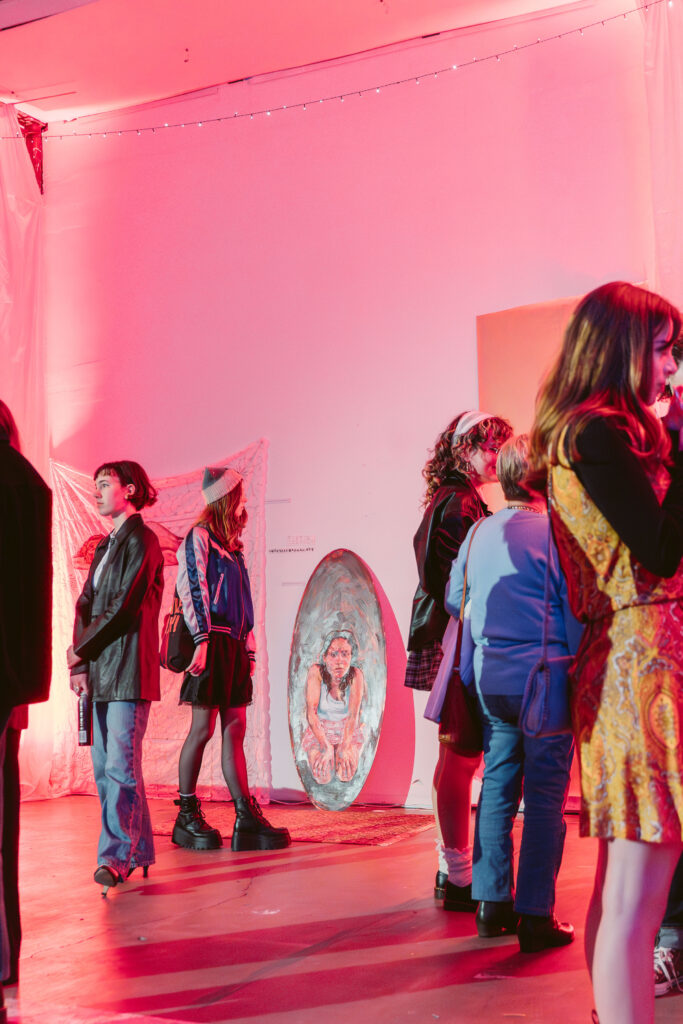
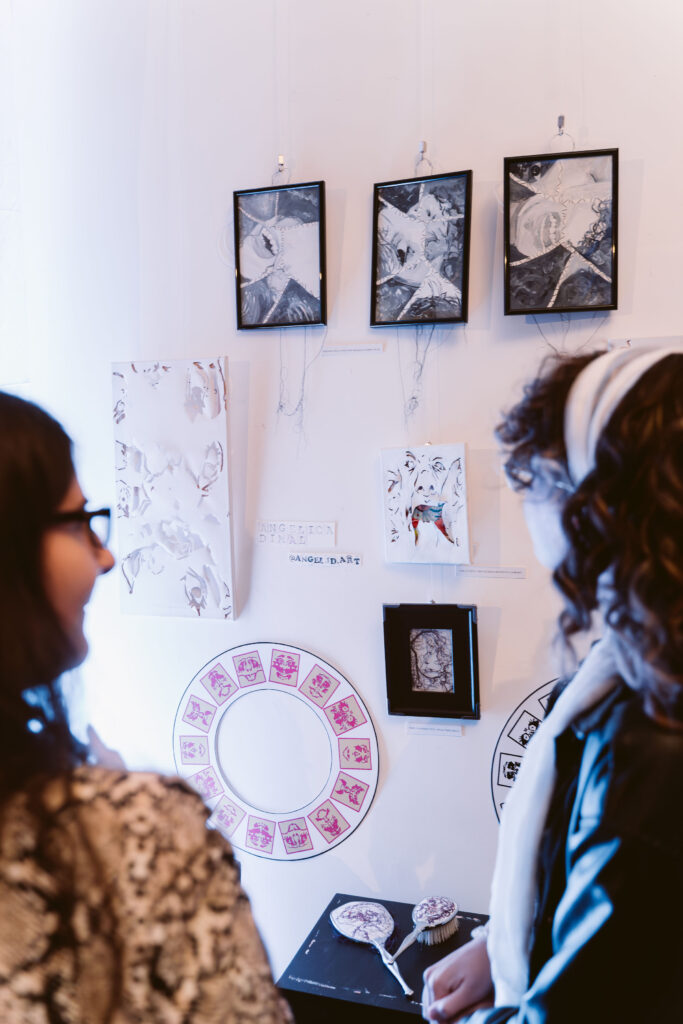
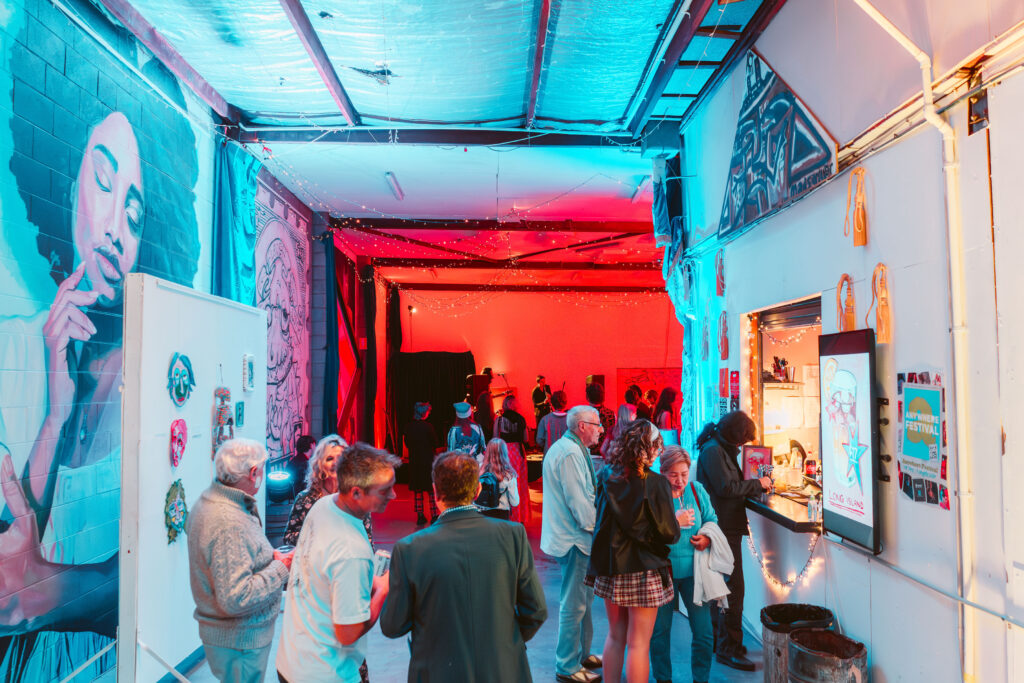
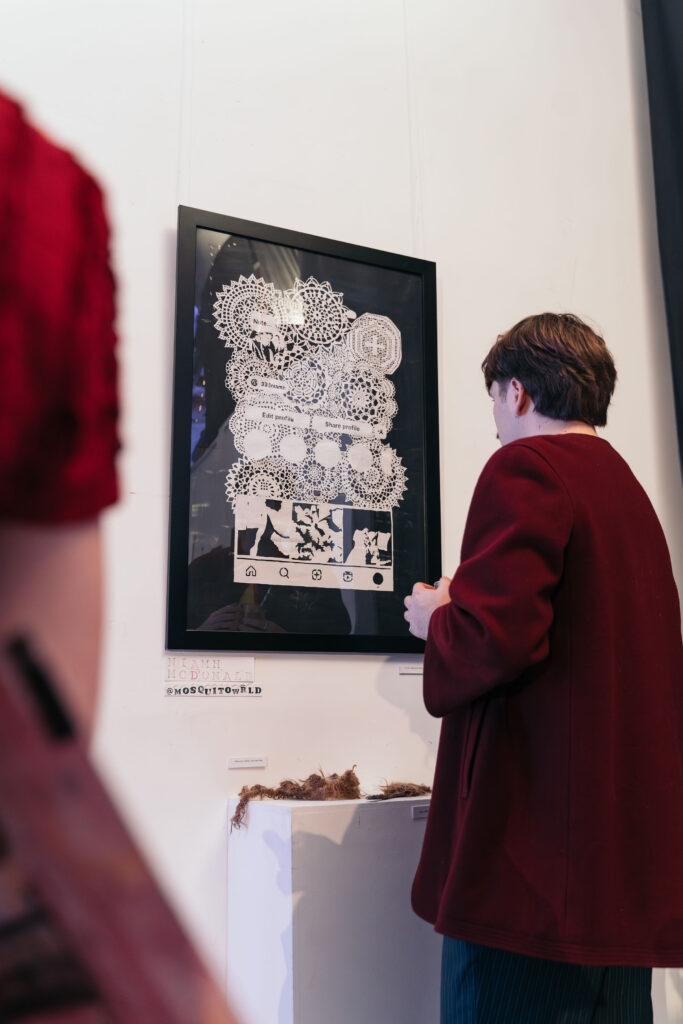
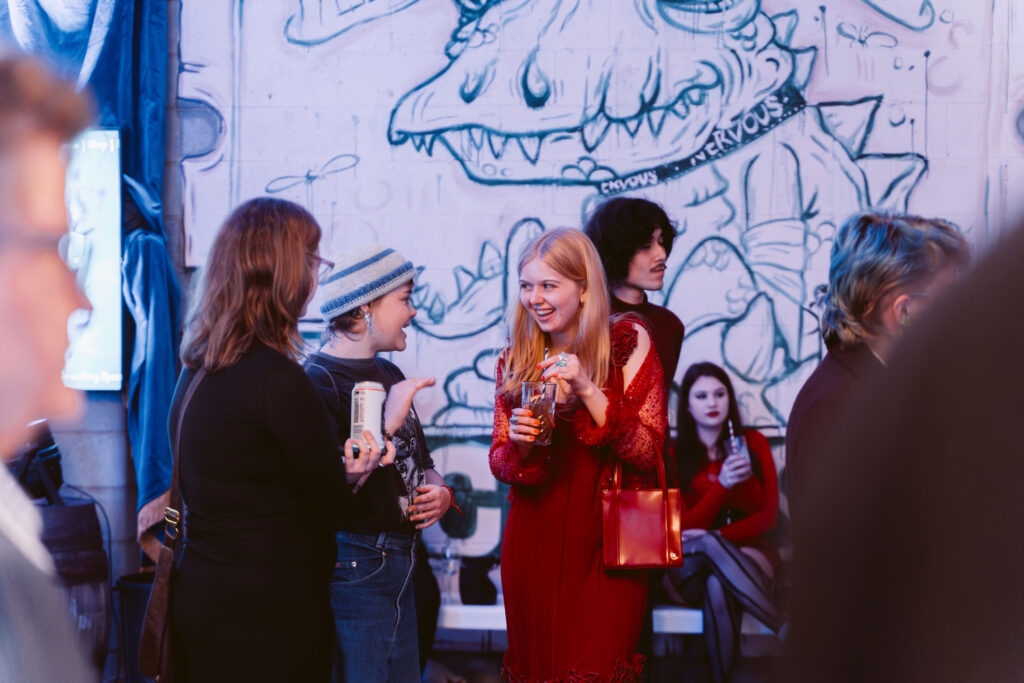
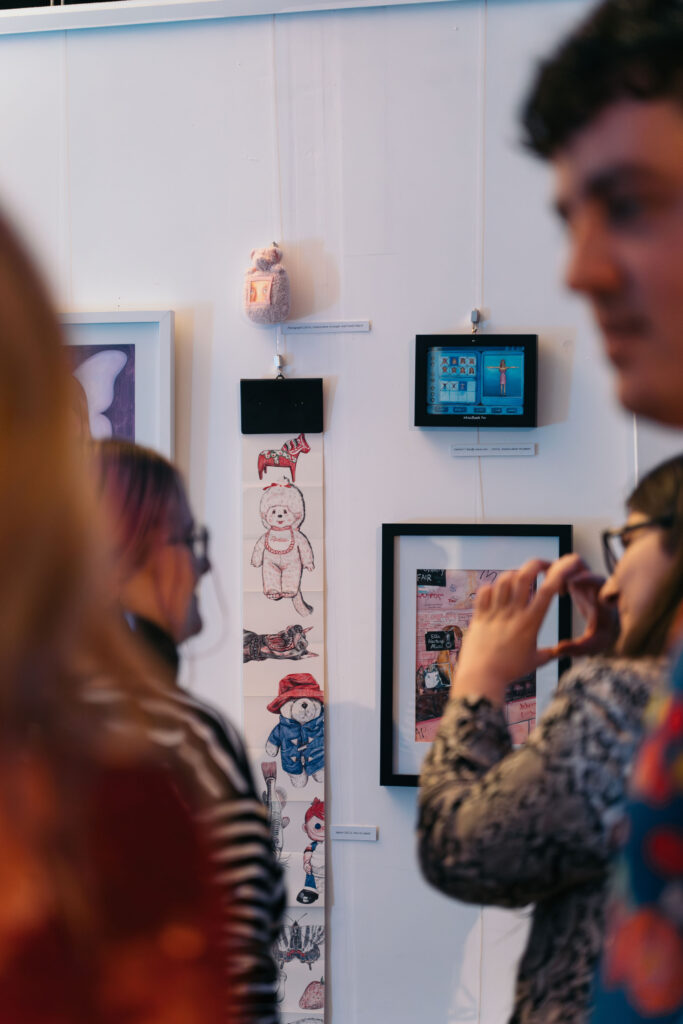
I also hosted my first exhibition, “Milan’s Arty Party”, with 105 guests and 8 exhibiting artists.
My main literary influences this year were Laura Bates’ “Men Who Hate Women”, Alison Gingeras’ “Great Women Artists”, and bell hooks’ “All About Love”.
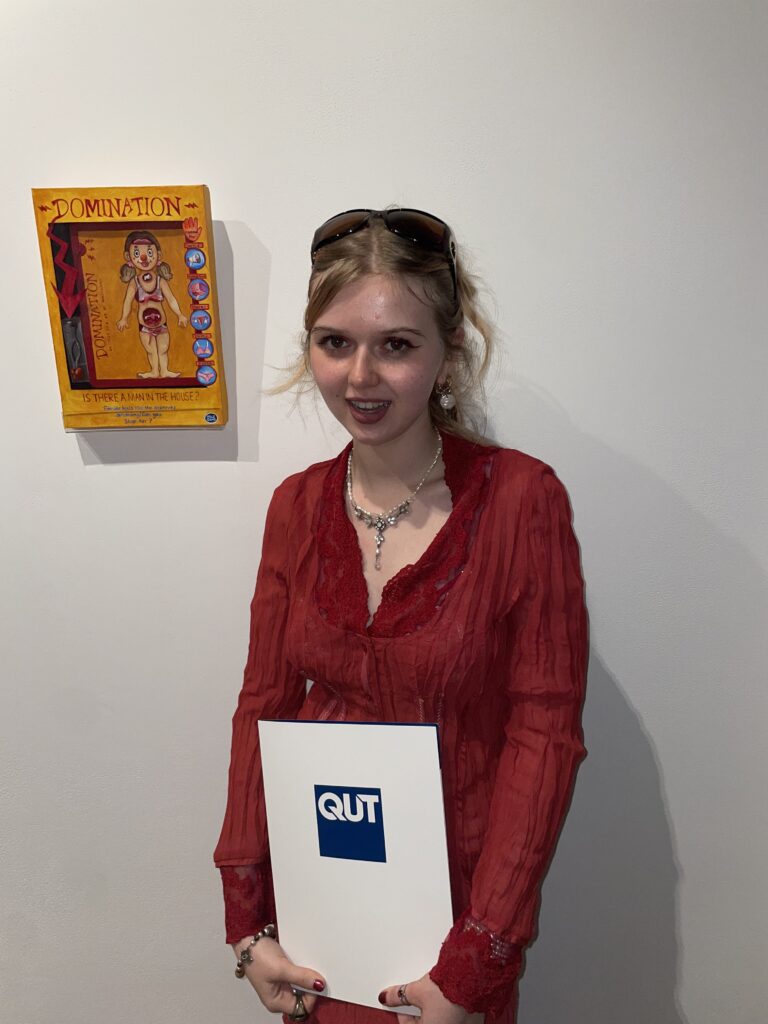
Playthings series
My graduating exhibition showcase
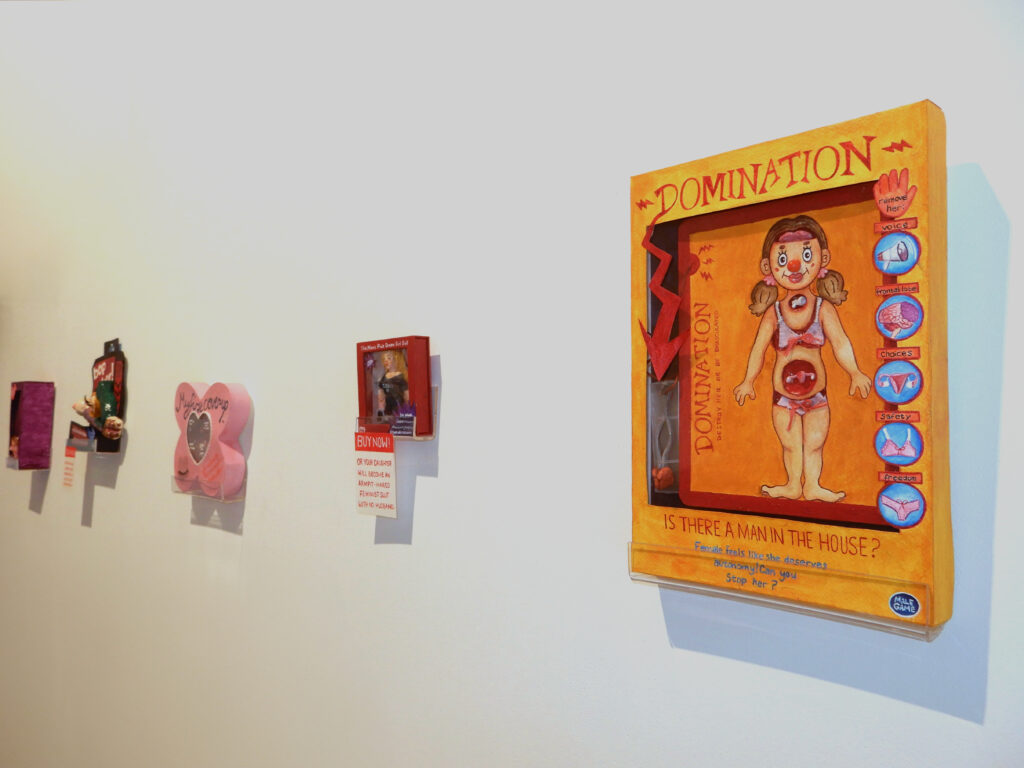
Playthings is a collection of five separate small-scale sculptural works that seek to raise awareness of historical and contemporary patriarchal violence through reimagined commercialised children’s toys and games. Each piece is highly stylised, relating to specific elements of gendered violence and gendered stereotypes, juxtaposing these themes with childhood innocence to draw emphasis to how these behaviours and attributes continue to be inherited. There is a clear division between the sexes, with the ‘Male Games’ speaking on emasculation and power while the ‘Girly’ toys explore themes like shame and domestic violence. Promotional tags hang from the product’s shelves, urging the buyer to purchase the toys or else their children will transgress from traditional gender roles.
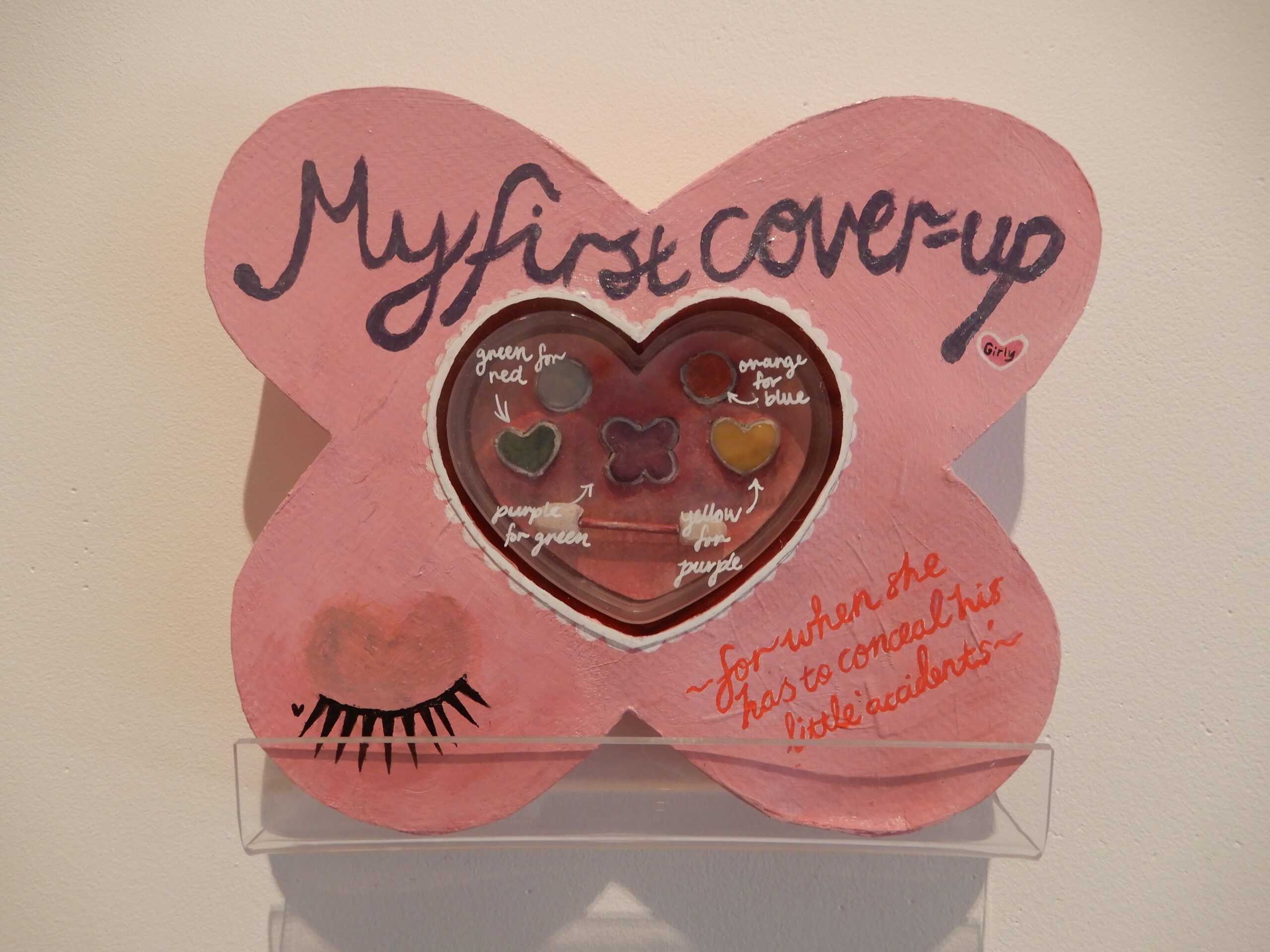
“My first cover-up”
Acrylic paint, watercolour, pen, plastic and cardboard
My first cover-up highlights how women have historically hidden abuse delivered by men. Using the girl’s makeup kit, I demonstrate how it is often the woman’s responsibility to hide abuse from fear of humiliation.
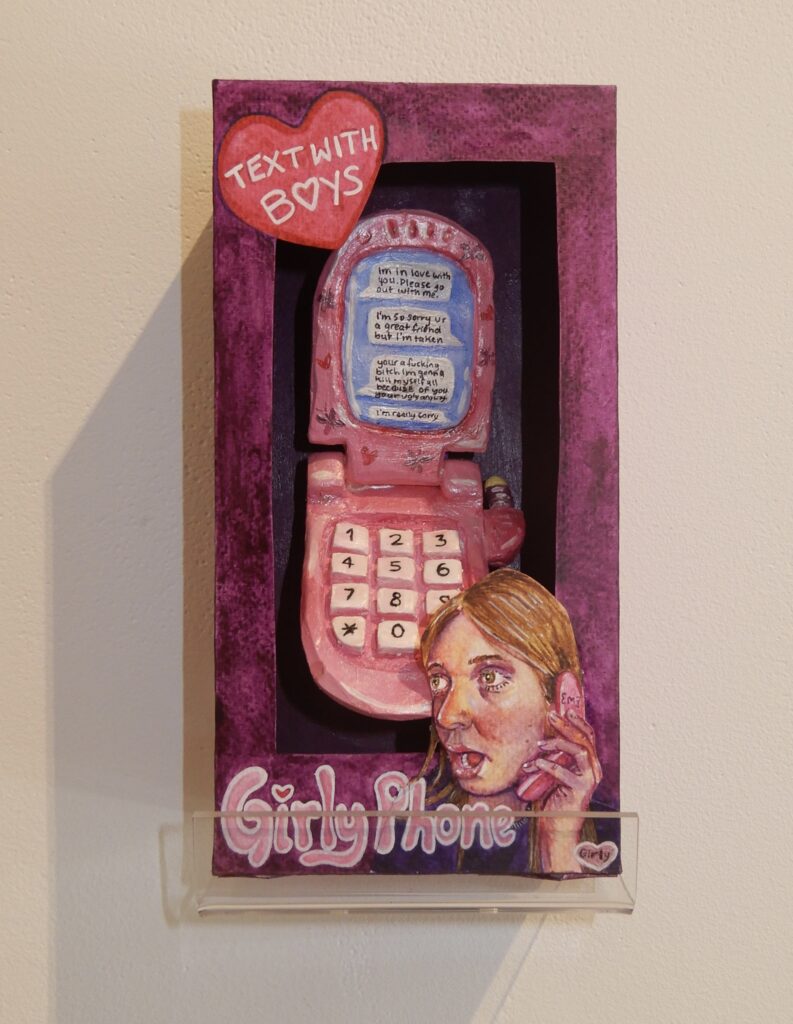
“Girly Phone”
Watercolour, gouache, and paint pen on cardboard, acrylic paint, glitter, and resin on clay
Girly Phone similarly explores online harassment directed towards women by insecure men associated with toxic male subcultures like the manosphere and Incel communities. The work includes a clay replica of a cheap plastic toy flip phone adorned with butterflies and hearts that recall the imagery of girlhood. It features a self-portrait that conveys a sense of shock, complemented below by bubble writing stating the product’s name. Abusive, manipulative messages are depicted on the screen, heavily juxtaposing the girly imagery and the proposed purpose of the toy, which is to communicate with boys romantically.
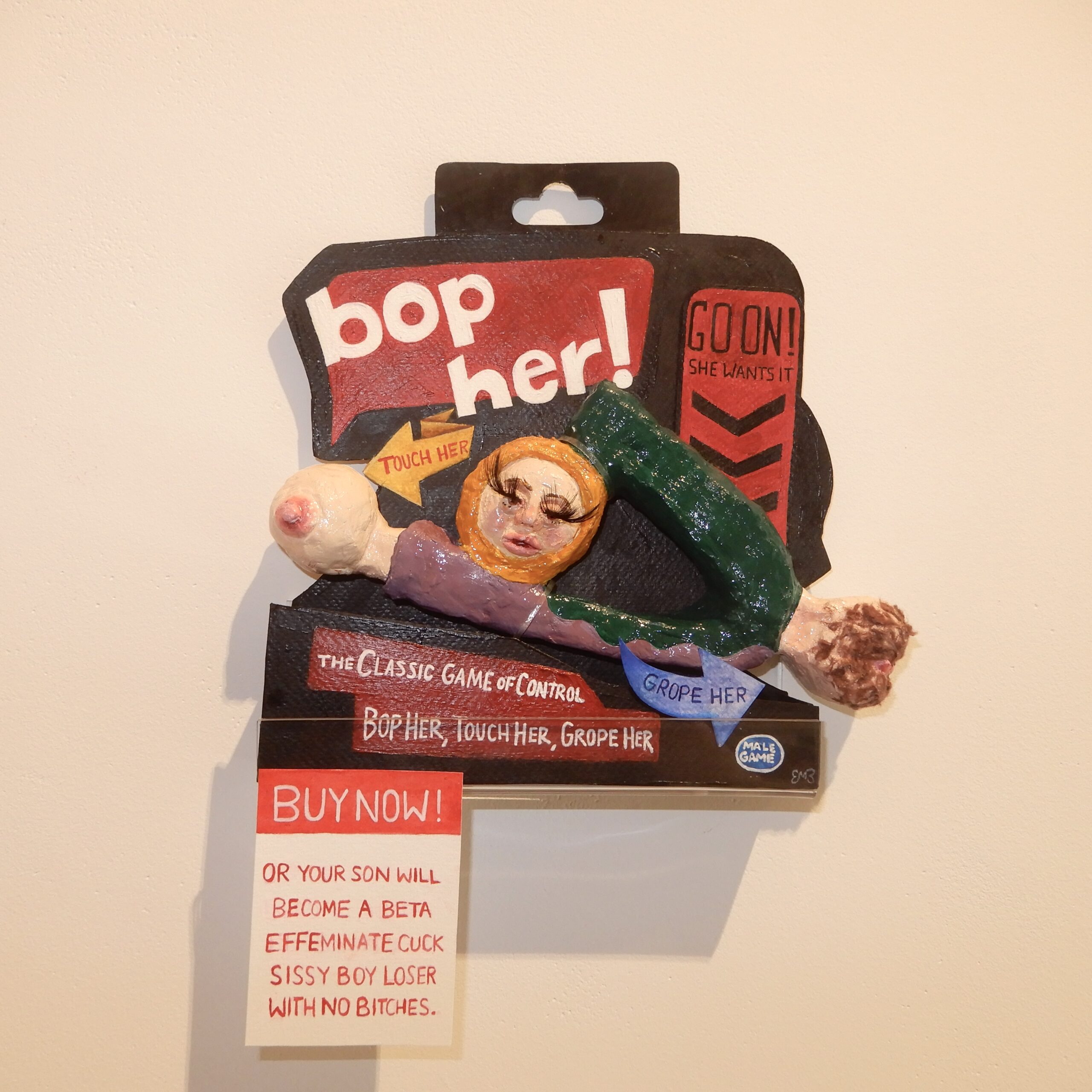
“Bop Her!”
Acrylic paint, watercolour, paint pen, clay, embroidery thread, false eyelashes, paper, cardboard and plastic bag.
Bop Her! is presented as a learning tool for young boys, teaching them that it is acceptable to exhibit power over women. The piece is a clay replication of the Bop It game; however, the elements are changed to create an anthropomorphic female figure. The objective is to control the objectified woman through touch, which examines the continuing trope of men unjustly feeling entitled to women’s bodies. While at first glance humorous, the toy highlights the reality of abhorrent, socially acceptable behaviours that continue to objectify and victimise women.
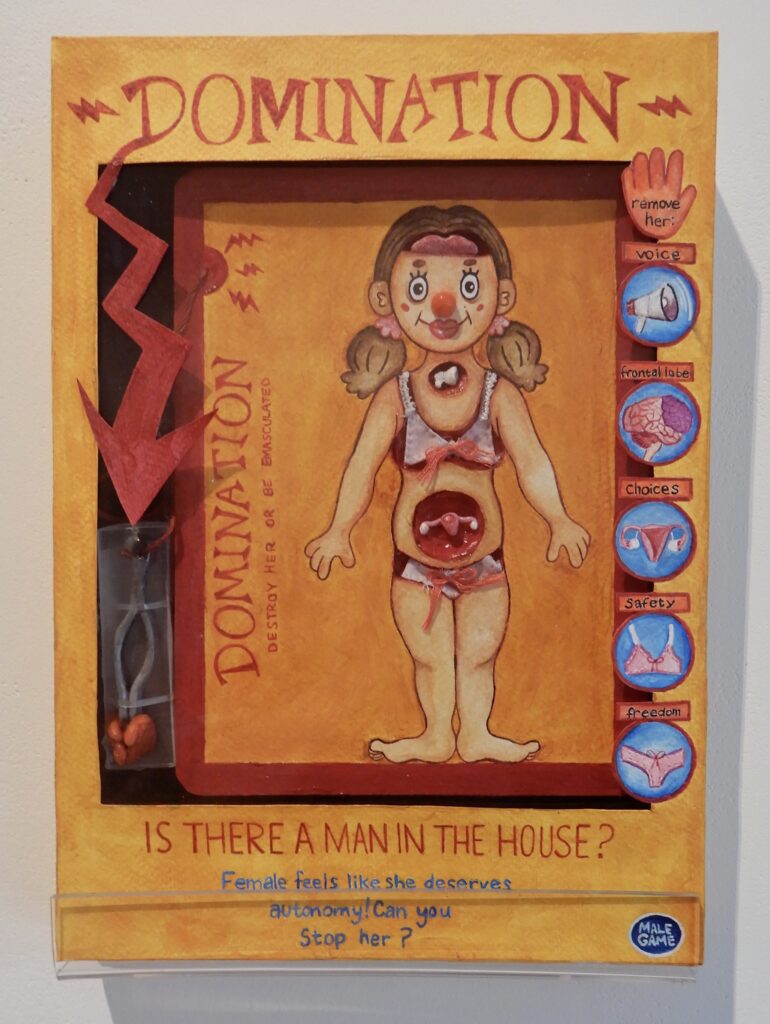
“Domination”
Watercolour, acrylic paint, plastic, paint pen, pen, clay and cardboard
Domination appropriates the children’s game Operation to explore the restriction of women’s bodily autonomy. The packaged game boasts a smiling yet sickly yellow female figure with bagged eyes, who is cut open with various objects inserted within these red divots. The key on the right-hand side of the box guides the viewer to understand what each element represents in relation to restriction. The megaphone represents the woman’s voice, the brain represents her frontal lobe (which was operated on in lobotomies), the uterus represents her reproductive ‘choices’ and the underwear reflects the woman’s right to her safety and sexual liberties. The ‘remove her’ text over the hand pairs with the tongs made from two joining red hands, linking to inappropriate touching and violation. ‘Is there a man in the house’ links back to the original packaging of the game, however, seeks specifically a man to carry out this repossession of autonomy from the woman. Named as ‘female’ rather than with a name, the character is dehumanised, which is the ultimate goal of the game. Just like my Bop Her!, the logo ‘MALE GAME’ is listed, demonstrating to the audience that this practice relates to how young boys are conditioned from a young age to have a superiority complex over the opposite sex. This piece is specifically inspired by Laura Bates’ literature on gender norms and conformity.
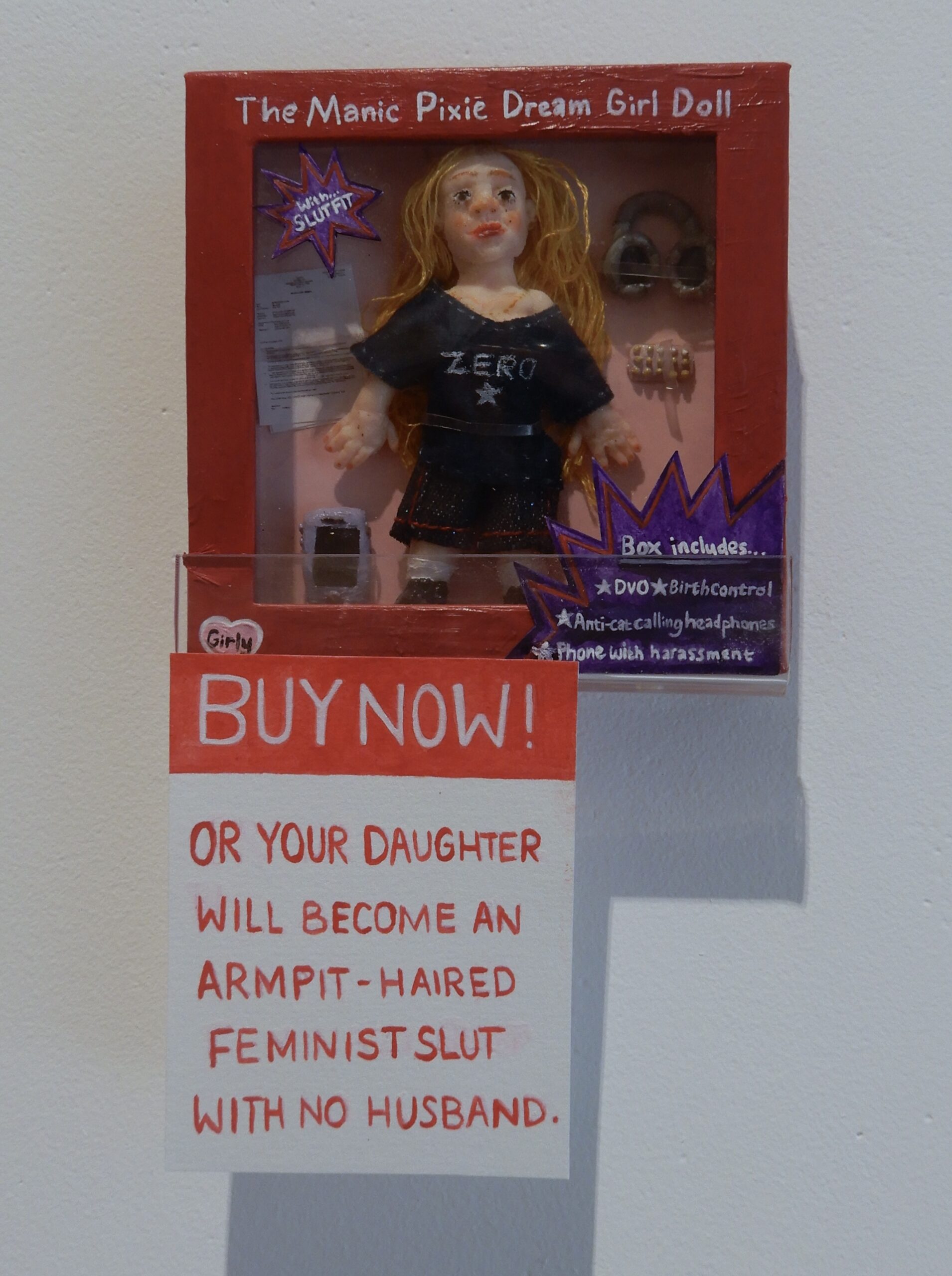
“The manic pixie dream girl”
Clay, acrylic paint, thread, elastic band, paper, paint pen, watercolour, cardboard and plastic sheet
This sculpture is a mixed-media self-portrait that utilises the gender-based trope in media of the eccentric female love interest who catalyses the male protagonist’s self-discovery. Having been called this by male partners, I decided to miniaturise myself into a doll form, entrapping the figure in a small box to exemplify how these stereotypes belittle women and diminish their experiences. Surrounding my small-scale representation are objects such as a ‘DVO’, ‘birth control’, ‘anti-cat calling headphones’, and ‘phone with harassment’, presenting them as baggage rather than regular accessories. This decision asserts that I am more than the stereotype, adding humanity and history to my figure. The paper cut-out star reading ‘SLUT FIT’ serves as an ironic commentary, connecting to the sexualisation of both characters existing within the trope and myself by men.
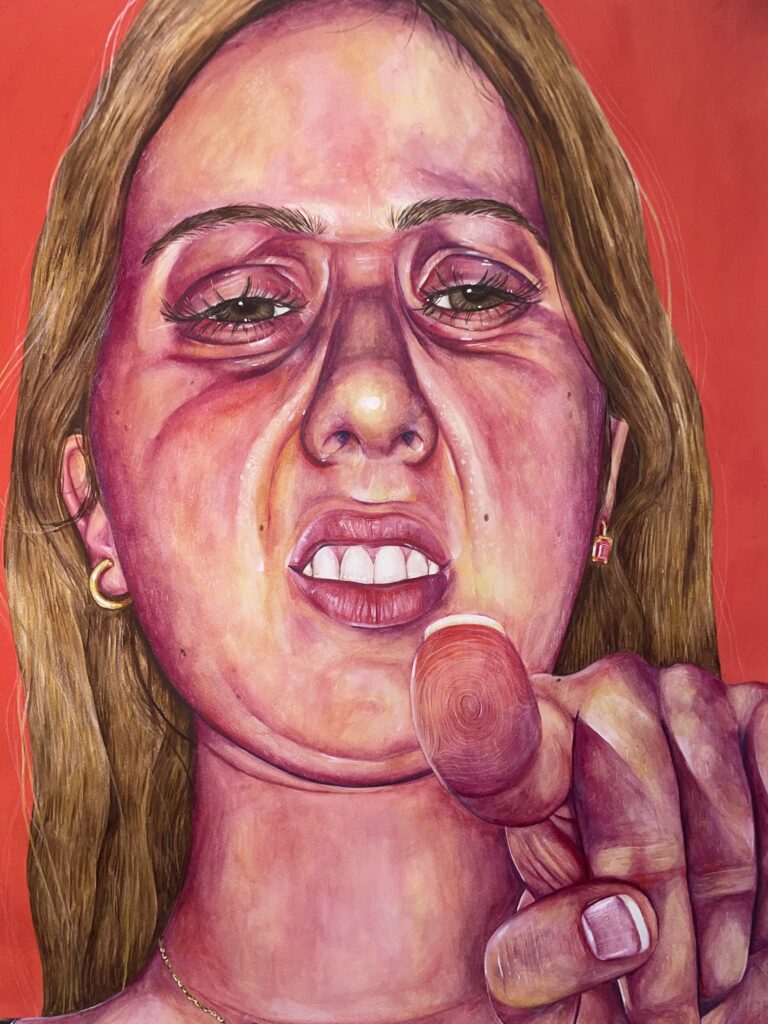
“Are you serious…?”
Watercolour, gouache, and paint pen on paper
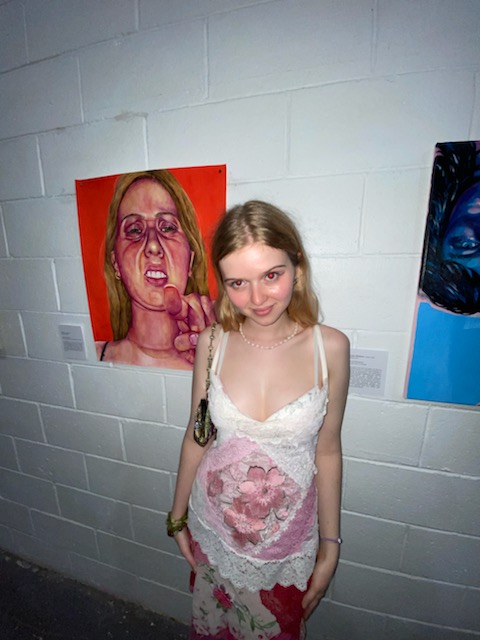
This portrait uses humour to confront the uncomfortable reality of receiving unsolicited dick pics. By positioning the audience as the source of my disgust as I tower over, I critique the societal norms around consent and objectification. This aims to take power away from sexual harassers, as I assert myself as in control through proportion and expression.
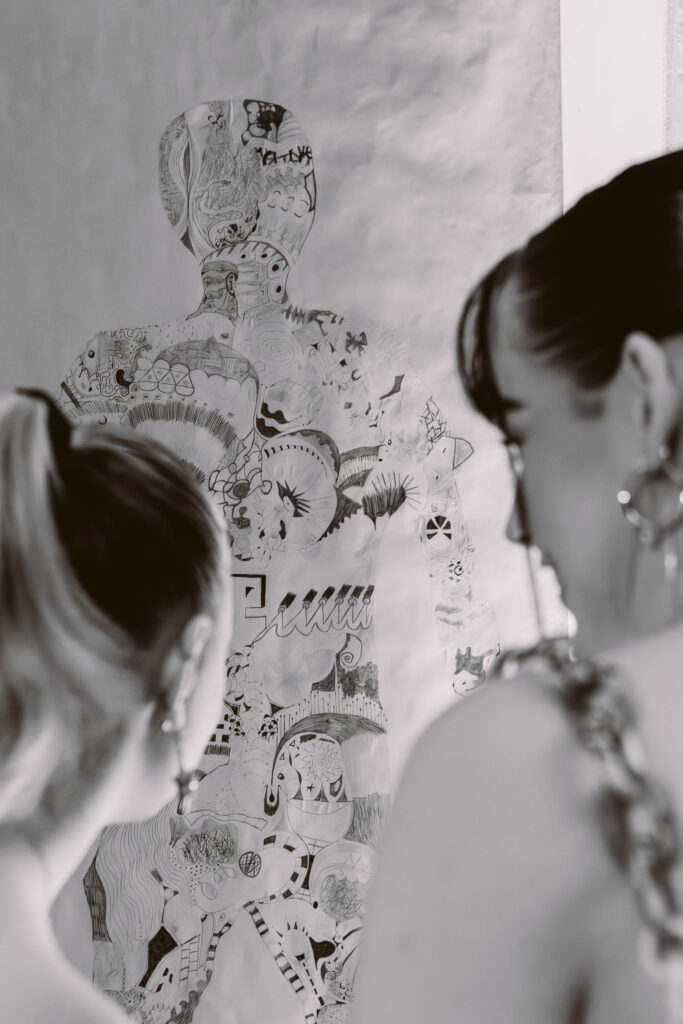
Milan’s Arty Party
“Heaven”
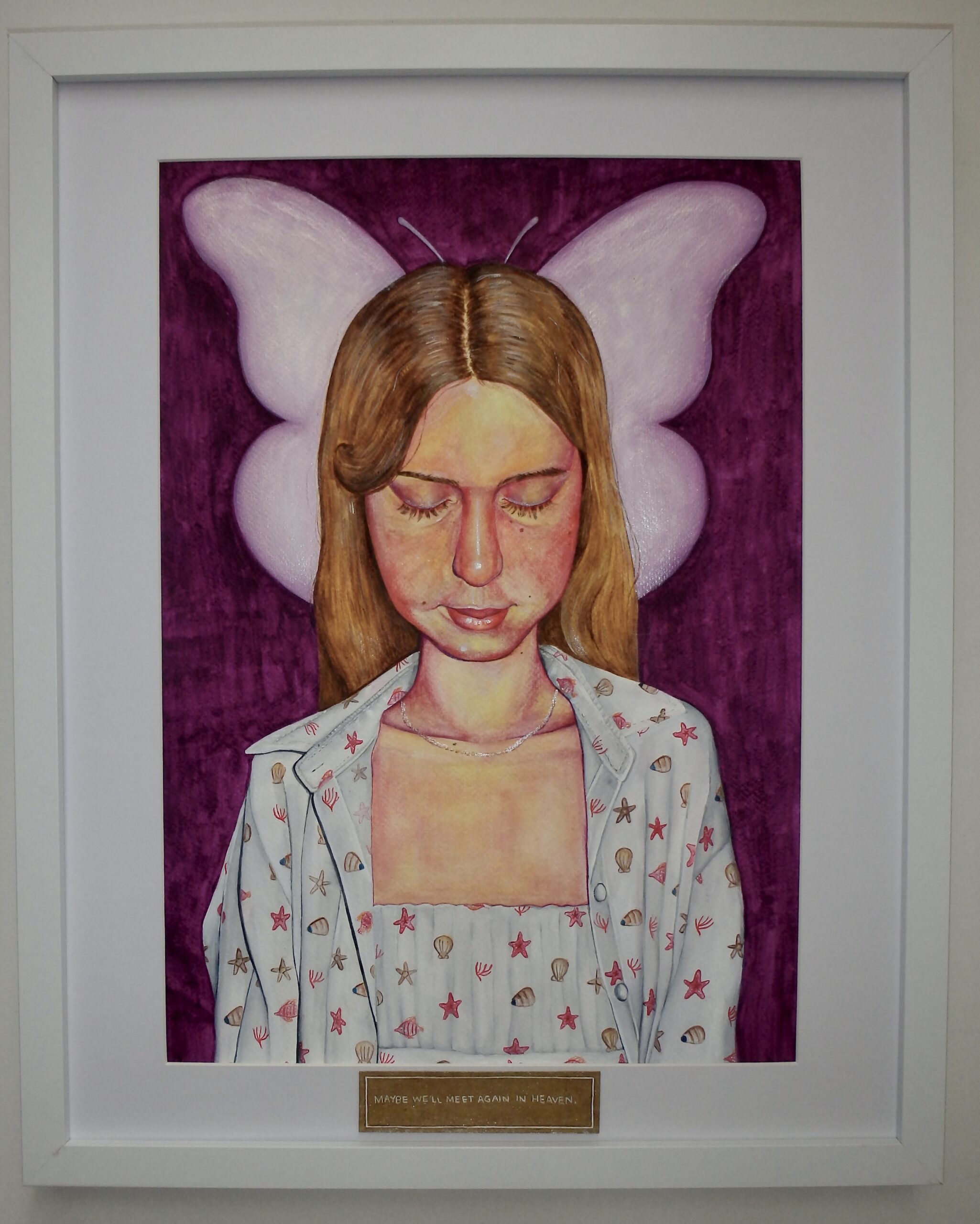
Watercolour, gouache, cardboard, and paint pen on paper
My watercolour self-portrait Heaven uses surrealism and symbolism to express my spiritual connection between my late father and the common crow butterfly. I stand before an iridescent white butterfly on a deep purple background, with a plaque reading, “Maybe we’ll meet again in heaven.” My mother and I believe the butterfly reassures us that my father is watching over us. Symmetry, flatness, and my prayer pose reference Byzantine religious art (Stoleriu, 2016), while the butterfly resembles a halo above my head. The heavenly setting conveys hope that I will one day reunite with him.
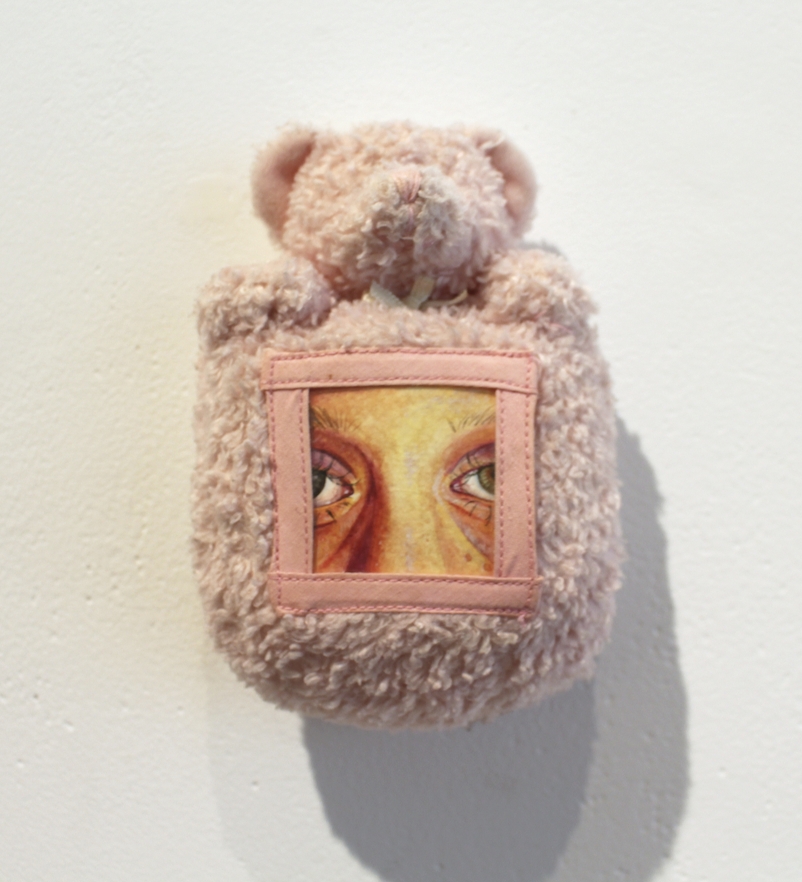
“Inside”
Watercolour, gouache, and paint pen on paper
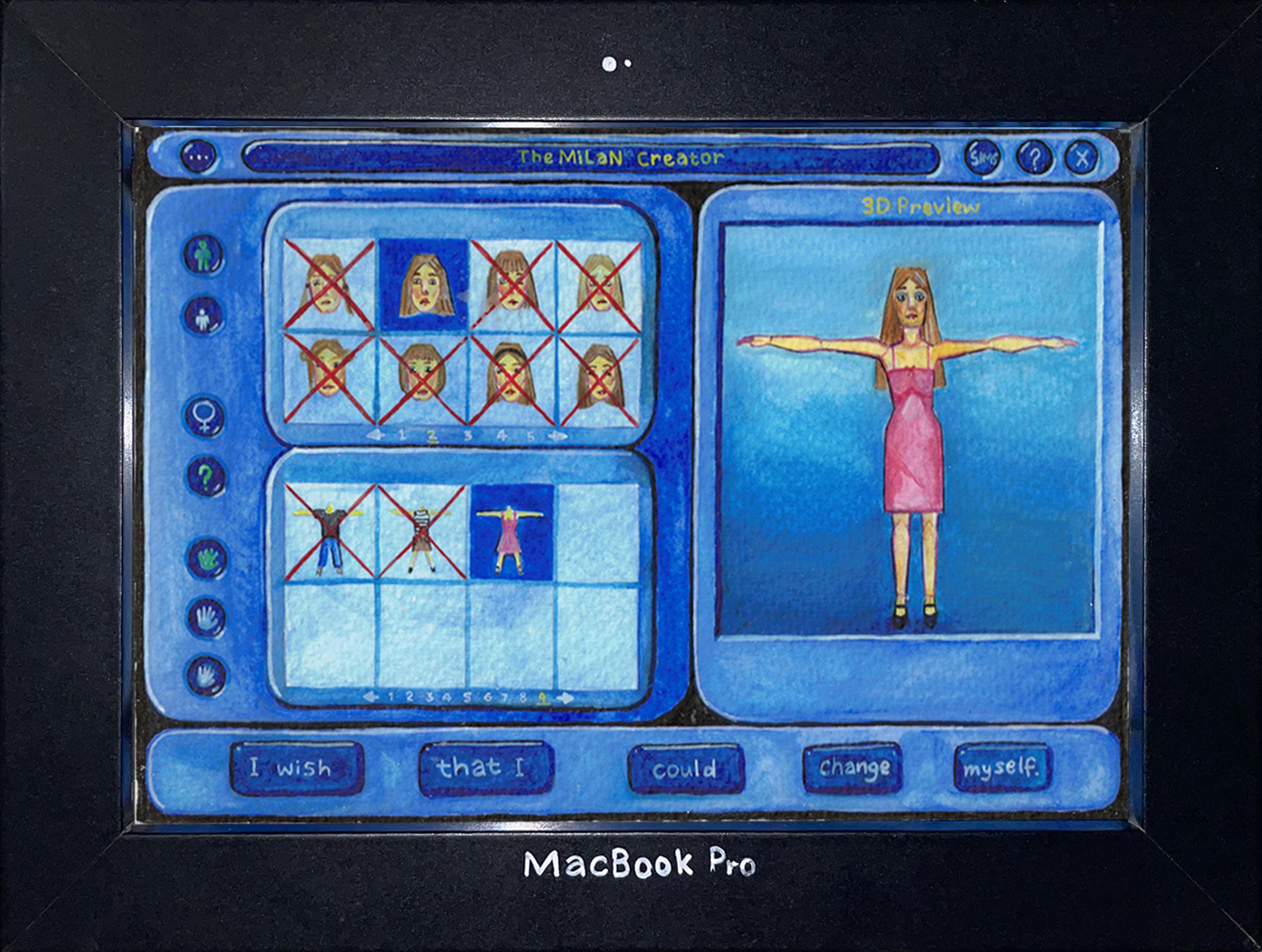
“The Sims”
Watercolour, gouache, pen, and paint pen on paper
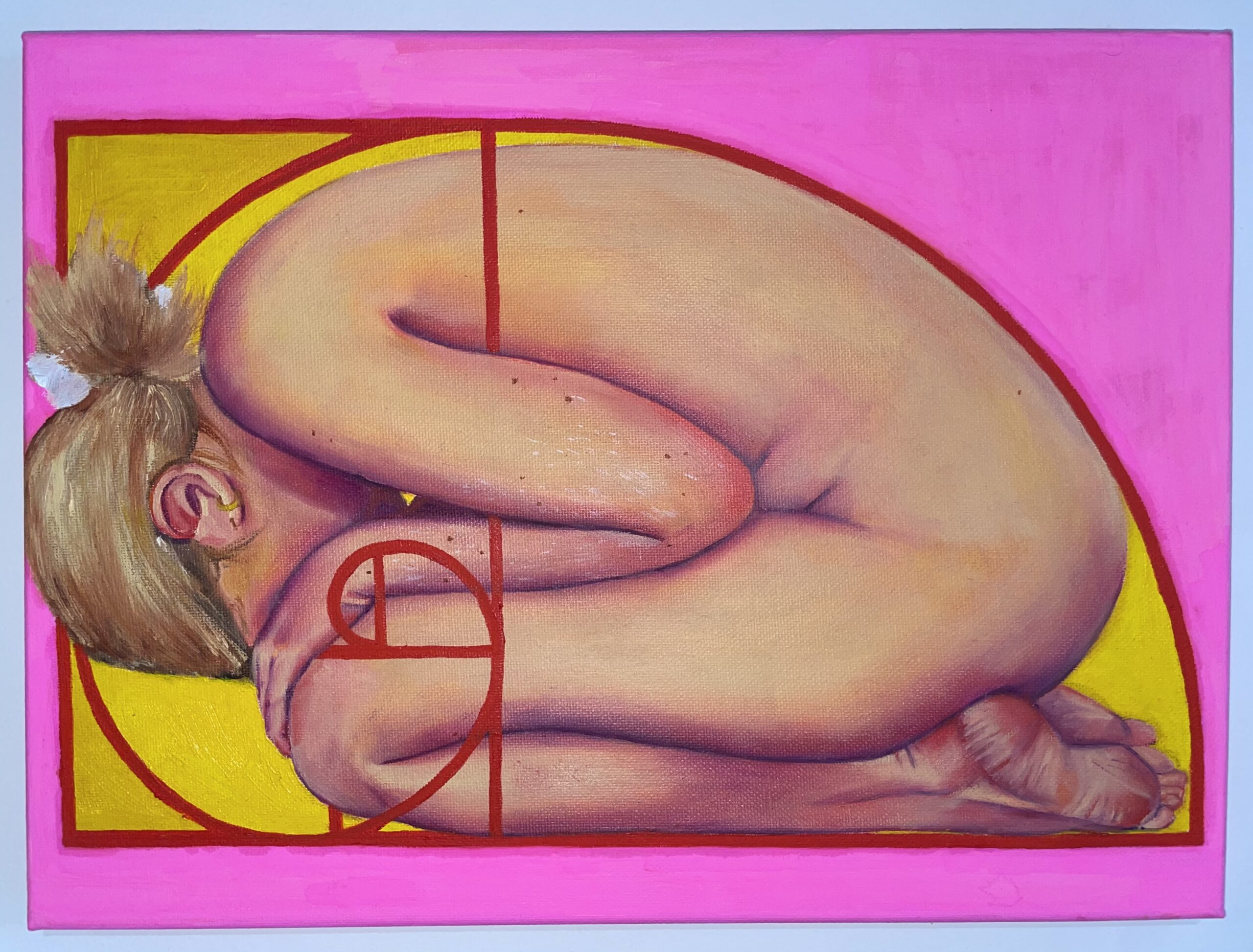
“Golden Ratio”
Oil paint and paint pen on canvas
Devised in response to the restrictive gender-based traditions that constrict female autonomy, this piece appropriates the iconography of the golden ratio. My figure, which is entangled within the bright, red lines of the structure, is entrapped within the confines of the shape, restricting movement. The bold, neon pink background exaggerates the highly stereotyped feminised colour, linking back to traditions that have been cemented into women’s lives since birth. This, paired with my body’s posture, which is arched in a fetal position, furthers this notion of inherited restriction.